PowerNET Replay Series: Building Community Resilience Through Multi-Agency Crisis Response NETTalk
Miss PowerNET? Missed PowerNET? Continue the PowerNET experience- or start it here!
The PowerNET Replay Workshop Series brings the energy and insight of our annual conference directly to your screen. This special NETTalk series features eight of the highest-rated sessions from PowerNET 2026, presented again by the original speakers for those who couldn’t attend the conference, missed a concurrent session, or want another opportunity to engage with the content.
Designed for nonprofit professionals, agency leaders, and changemakers in Jewish human services, these replay sessions offer the same impactful learning, practical strategies, and thought-provoking discussions that resonated with PowerNET attendees.
Whether you’re advancing leadership strategies, exploring innovation, or working to strengthen your agency’s impact, PowerNET Replay is here to keep the conversation, and the momentum, going.
Building Community Resilience Through Multi-Agency Crisis Response
July 14th, 2:00-3:15pm ET
This workshop will address the challenges and best practices of planning and coordinating trauma informed crisis response within the Jewish community, with emphasis on creating vital strategic partnerships. Trauma is far more common than often acknowledged. Nearly 60% of adults report having lived through at least one traumatic event, and more than 65% of children experience trauma by age 16. Whether it is a painful but expected loss or a sudden, devastating crisis, no one is fully insulated from life’s most challenging moments. This leaves too many susceptible to developing post-traumatic stress disorder or other long-term impacts of trauma, unless timely, specific, resiliency-focused intervention is provided.
In recent years, Jewish Family Service of Metropolitan Detroit (JFS Detroit) has been a leading force in responding to community crises, offering immediate intervention and support during times of distress. From sudden tragedies to targeted threats, JFS has been instrumental in providing assistance when it is needed the most. In order to meet the increased demand for support, JFS formalized a Crisis Response program in 2022 aimed at delivering intervention to individuals impacted by critical events within 48 hours. To train agency staff, JFS developed a training curriculum in collaboration with the Israeli Trauma Coalition (ITC) and the International Trauma Resiliency Center of Sderot, designed to provide participants with the skills and tools to decrease the long-term impact of trauma. As the need for crisis response intervention continues to grow, and to ensure sustainability and build overall community resilience, JFS has trained professionals from other Jewish communal organizations, synagogues, partner agencies, and volunteers.
In collaboration with Jewish Federation of Detroit, Jewish Community Security, Inc., Hatzalah of Michigan, and FEMA, JFS Detroit has been strengthening community preparedness for crises and mass-casualty incidents from natural disasters to targeted acts of antisemitism. JFS Detroit has championed integrating mental health and crisis response expertise into these efforts, ensuring that the approach supports both immediate safety and long-term emotional recovery. In partnership with local law enforcement and the American Red Cross, JFS Detroit is helping build rapid response protocols that reduce harm, accelerate healing, and reinforce trauma resilience across the Jewish community.
Attendees will gain knowledge on trauma impact, best practices in developing a crisis response training curriculum, developing strategic partnerships, and addressing special considerations unique to the Jewish Community.
Presented by:
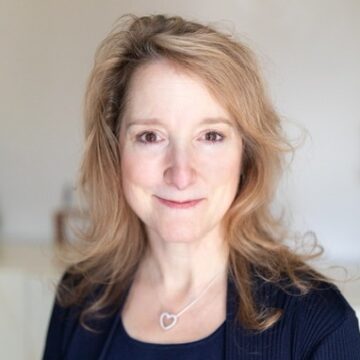
- Lynn Breuer, Senior Director of Community Outreach & Wellness, Jewish Family Service of Metro Detroit
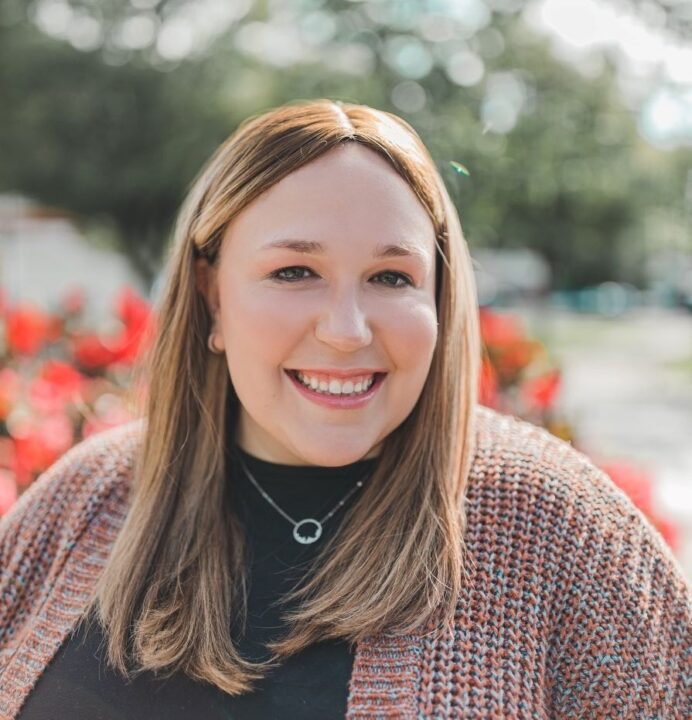
- Dini Peterson, LMSW, Chief Program Officer, Mental Health & Safety Net Services, Jewish Family Service of Metro Detroit
Check out the next NETTalks:
Advocacy in Action: Creating & Operationalizing Policy Agendas
August 11th, 1:00-2:00pm ET
Network member agencies are engaging in advocacy efforts at the federal, state, and local levels with higher stakes than ever before. With millions (or billions) of dollars in funding for human services at stake and significant new developments each day, it’s critical to adopt agenda discipline. We simply cannot sit at every table at once, and when a core program is threatened, leaders must act fast to activate their advocates and implement a strategic approach to their efforts. Central to all of this is the crafting and adoption of an organizational advocacy priority agenda – a document laying out the most critical service areas and needs. This document, which should be updated annually, can then serve as the organization’s guide in identifying and executing advocacy strategies. Participants in this workshop will learn about different agenda-setting models, hear from peer organizations on their process to set priorities and engage lay and professional stakeholders, as well as, lessons learned from putting agenda priorities into advocacy action. Participants will also discover how to advance policy priorities with elected and appointed officials without crossing into lobbying, which is more tightly restricted for 501(c)3’s. Participants will leave with templates and a process guide on how to begin these critical steps with their professional and Board colleagues in their home communities.
Presented by:
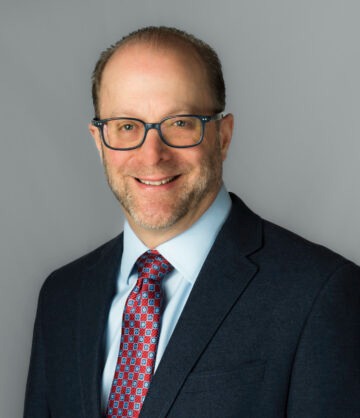
- Todd Schenk, CEO Jewish Social Service Agency of Metro Washington
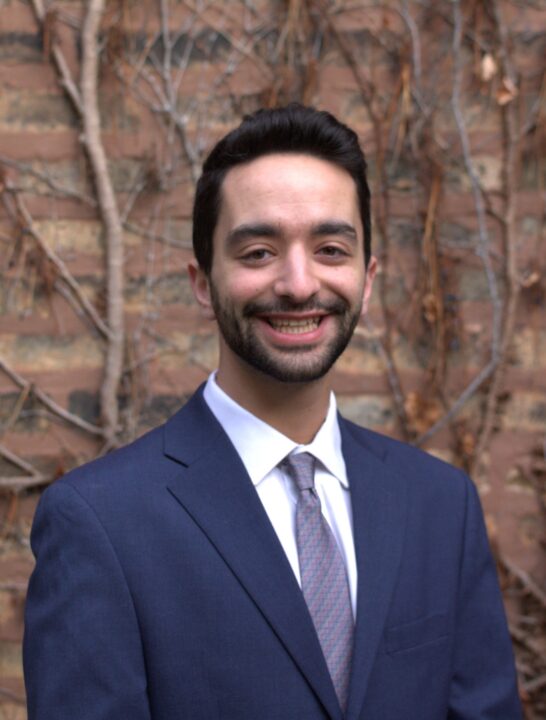
- Jonathan Schrag, Vice President, Public Policy and Advocacy, The Network of Jewish Human Service Agencies
Belonging Without Compromise: Consortium Models for Serving “Jewish &” Communities
August 25th, 1:00-2:15pm ET
Hosted by The Clinical Professionals NETGroup, Clinical Directors/Supervisors NETGroup, and the Youth & Family Clinical NETGroup
This workshop will explore the barriers faced by marginalized groups within the Jewish community, with particular attention to LGBTQ individuals. Participants will engage in guided personal reflection and anti-bias work, examine practical strategies for advancing inclusion at the organizational level, and explore how to build a city-wide consortium of Jewish organizations committed to meaningful inclusivity and support for marginalized community members.
Presented by:
- Hadar Dohn, Managing Director, JQ International
- Galia Godel, Program Manager, LGBTQ Initiative & Organizer of J.Proud, Jewish Family & Children’s Service of Greater Philadelphia

Going Live with Impact: Using Social Media Livestreams to Educate and Inspire
September 9th, 1:00-2:00pm ET
In an increasingly digital world, human service organizations are expected to reach, educate, and mobilize their audiences far beyond traditional events or newsletters. Yet many agencies struggle with how to present sensitive topics authentically, engage professionals alongside community members, and translate social media activity into measurable impact. This workshop will explore how the Jewish Fertility Foundation (JFF) built its successful Instagram Live series connecting fertility professionals, innovators, and individuals with lived experience to a broad audience eager for education and inspiration. Participants will learn how JFF curates credible voices, protects the dignity of personal stories, and balances medical expertise with accessibility. Key topics include: selecting and preparing guests, framing complex or sensitive issues for a public audience, promoting sessions for maximum attendance or re-watches, and using live content to spark ongoing engagement with donors, partners, and volunteers. We will also discuss common challenges, such as safeguarding privacy, handling misinformation in real time, and sustaining consistent programming with limited staff capacity, and offer practical solutions JFF has developed. Attendees will leave with a step-by-step playbook for designing, promoting, and producing their own live social media series. The approach is low-cost, replicable, and adaptable for any cause area, providing a powerful, scalable way to elevate expert knowledge, human stories, and organizational impact in the human services sector.
Presented by:
- Julie Cohen, Senior Manager, Jewish Fertility Foundation
Everything Changed – Including Me: A Shared Conversation on Change Leadership
September 15th, 1:00-2:00pm ET
This session is proudly underwritten by CaseWorthy. Their support helps make this learning opportunity possible for professionals across The Network.
Change management is often presented as a neat sequence of steps. But anyone who’s lived it knows better: it’s messy, unpredictable, and deeply personal. Over the past five years, I’ve led my nonprofit through major transformation: changes to the funding models, digitization, evolving programs, changing the physical layout, and shifts in the culture. It’s been exhilarating and exhausting, humbling and rewarding…and I’m still in it. This workshop is an invitation to explore that experience together. It’s for anyone who is leading change, bracing for it, recovering from it, or trying to make sense of what it has meant for them as a leader and as a person. I’ll share the story of our organizational transformation (the real one, not the polished version). You’ll hear about the resistance I faced in transforming JEM from a charity to a thriving social enterprise. I’ll talk about what worked, what failed, the rocky road to hitting some meaningful KPIs, and how I was transformed in the process. Perhaps you’ll see your own experience reflected in mine. But this isn’t just my story. I want to hear yours, too: your moments of triumph and doubt, your unexpected lessons, your failures that became memorable learning moments. My hope is that by sharing our stories, we’ll be reminded that leading change is not about perfection. Rather, it’s about courage, connection, and growth.
This session is for:
• Anyone currently leading a change process
• Anyone anticipating change and feeling nervous (or excited) about it
• Anyone who’s burned out, frustrated, or ready to give up
• Anyone who’s come out the other side…wiser, maybe a little scarred, but stronger
• Anyone who wants to be seen and validated for what they’ve lived through
• Anyone who wants to learn, reflect, and contribute to a community of real, imperfect change leaders
The takeaways include a clearer sense of how change transforms organizations and leaders; validation and support from peers walking similar paths; practical and emotional strategies for sustaining change leadership; and a renewed sense of community and courage.
If you’ve ever thought, “I didn’t know this would change me so much,” this workshop is for you.
Presented by:
- Maia Cooper, Executive Director, JEM Workshop
Stronger Together—A Innovative Model for Staff Engagement for Organizational Excellence
September 23rd, 2:00-3:00pm ET
Hosted by the HR Professionals NETGroup
The “Stronger Together—Innovative Staff Engagement for Organizational Excellence” workshop spotlights how Gulf Coast JFCS transformed its culture through staff-driven initiatives, offering valuable lessons for the human service sector. Participants will learn how the Stronger Together committee addressed key challenges such as high turnover, staff burnout, and inclusivity, especially in settings with limited resources.
The session covers topics including effective onboarding, wellness programming, flexible work arrangements, and diversity advocacy—practical solutions that resulted in reduced turnover and boosted staff satisfaction. Through interactive presentations, attendees will explore barriers to engagement, discover ways to measure the impact of their efforts, and discuss strategies to secure leadership buy-in and funding.
Attendees will leave with actionable frameworks designed for easy replication or customization in their own agencies, no matter their size or capacity. By sharing proven approaches and lessons learned, the workshop empowers human service professionals to foster resilient, supportive, and inclusive workplaces. The Stronger Together model demonstrates that meaningful organizational change is possible, sustainable, and scalable—providing participants with the inspiration and practical means to champion excellence in their own teams.
“Stronger Together” is a Network Innovation Exchange Winner for 2025! Learn more about the Innovation Exchange.
Presented by:
- Melanie Brady, Vice President of Children and Family Services, Gulf Coast Jewish Family & Community Services
Resilience-Focused Leadership: Building Thriving Teams in Jewish Human Service Organizations
October 6th, 1:00-2:15pm ET
This session is proudly underwritten by CaseWorthy. Their support helps make this learning opportunity possible for professionals across The Network.
In today’s complex landscape of Jewish human service work, leaders face unprecedented challenges managing teams exposed to trauma, crisis, and ongoing community stress. From supporting individuals affected by antisemitism and global conflicts to addressing everyday human suffering, organizational leaders must cultivate resilience—not as a reactive measure, but as a proactive, preventive framework embedded in daily operations. This interactive workshop introduces NATAL’s resilience model, developed through decades of supporting Israeli communities through continuous trauma. Participants will move beyond crisis management to learn how resilience-focused leadership prevents burnout, reduces PTSD symptoms, and sustains high-performing teams even amid adversity.
Key challenges addressed:
• Recognizing early warning signs of burnout, vicarious trauma, and PTSD in team members before they escalate
• Managing employees who witness and absorb human pain daily without compromising their wellbeing or organizational effectiveness
• Maintaining team stability and performance during community crises and ongoing stressors
• Creating sustainable self-care cultures rather than one-time wellness initiatives
Practical tools and strategies participants will gain:
• Concrete daily practices for leaders and their teams
• Red flag identification protocols for recognizing when employees need intervention
• Conversation frameworks for addressing mental health concerns with sensitivity and effectiveness
• Implementation blueprints for embedding resilience routines, rituals, and organizational practices
• Differentiation strategies for various trauma types affecting Jewish service organizations: vicarious trauma, secondary trauma, shared community trauma, and continuous stress exposure
Whether leading a small team or an enterprise organization, participants will discover that resilience-focused leadership is not an add-on to existing responsibilities—it’s a transformative approach that strengthens organizational culture, improves retention, and ensures leaders can sustain their mission for the long term.
Presented by:
- Hila Shvoron, Deputy CEO, Director of Community Resiliency, NATAL: Israel Trauma & Resiliency Center
- Sharon Yeheskel-Oron, Director, NATAL Global, NATAL: Israel Trauma & Resiliency Center

Tensions and Alignment: The relationship between funders and service providers
October 22nd, 1:00-2:00pm ET
Hosted by the Development Professionals NETGroup
Any service providing agency seeks out funders to support their work and for most of us in the Jewish social service world, we partner with funders from within the Jewish community as well as outside the Jewish community like government funding and corporate foundations. These relationships always have enough alignment to lead to funding – but there is inevitably tension in the relationship too. In this session, JIAS Toronto and two of our funders will speak candidly about some of these tensions:
– Storytelling: who has the right to tell the stories of our clients and work? Everyone is telling the stories of clients and services – the agencies, the funders, community partners, and everyone we interact with. Who has the right to tell the story? What story is appropriate to tell?
– Red Lines: what do we do if funders have particular positions or guidelines that are not perfectly aligned with the funded agency? Every funder has been faced with an agency they want to fund for a particular project; however, there is a value misalignment that may upset board members or conflict with the funder’s guidelines. What happens in these situations for both parties? And as we grow and change as organizations, our narratives change, both grantees and funders. How do we check (and do we?) if we still have enough in common and there is no misalignment on the fundamentals.
– Reporting: what can a funder ask for, what do they have a right to know? It’s not unheard of for an agency to get a new request from a funder for data or stories partway through a granting period. Do you always need to say yes?
– Service Delivery Preferences: funders sometimes want to influence how a program or service is delivered and by whom.
When a funder has a strong opinion about how the services should be delivered or which staff or partners should or should not be involved, what does a grantee do to maintain funding and also maintain control of their work? The session will address these common tensions, give examples of how both sides of the funding relationship address these issues, and leave space for discussion on how we can address these tensions as a sector.
Presented by:
- Naomi Kramer. Senior Manager, Development, JIAS Toronto

- Joshua Otis, Senior Director, Social Services and Community, UJA Federation of Greater Toronto

- Stacey Helpert, President, Stacey Helpert – Strategic Philanthropy