PowerNET Replay Series: Stronger Together: An Innovative Staff Engagement Model NETTalk
Miss PowerNET? Missed PowerNET? Continue the PowerNET experience- or start it here!
The PowerNET Replay Workshop Series brings the energy and insight of our annual conference directly to your screen. This special NETTalk series features eight of the highest-rated sessions from PowerNET 2026, presented again by the original speakers for those who couldn’t attend the conference, missed a concurrent session, or want another opportunity to engage with the content.
Designed for nonprofit professionals, agency leaders, and changemakers in Jewish human services, these replay sessions offer the same impactful learning, practical strategies, and thought-provoking discussions that resonated with PowerNET attendees.
Whether you’re advancing leadership strategies, exploring innovation, or working to strengthen your agency’s impact, PowerNET Replay is here to keep the conversation, and the momentum, going.
Stronger Together—A Innovative Model for Staff Engagement for Organizational Excellence
September 23rd, 2:00-3:00pm ET
Hosted by the HR Professionals NETGroup
The “Stronger Together—Innovative Staff Engagement for Organizational Excellence” workshop spotlights how Gulf Coast JFCS transformed its culture through staff-driven initiatives, offering valuable lessons for the human service sector. Participants will learn how the Stronger Together committee addressed key challenges such as high turnover, staff burnout, and inclusivity, especially in settings with limited resources.
The session covers topics including effective onboarding, wellness programming, flexible work arrangements, and diversity advocacy—practical solutions that resulted in reduced turnover and boosted staff satisfaction. Through interactive presentations, attendees will explore barriers to engagement, discover ways to measure the impact of their efforts, and discuss strategies to secure leadership buy-in and funding.
Attendees will leave with actionable frameworks designed for easy replication or customization in their own agencies, no matter their size or capacity. By sharing proven approaches and lessons learned, the workshop empowers human service professionals to foster resilient, supportive, and inclusive workplaces. The Stronger Together model demonstrates that meaningful organizational change is possible, sustainable, and scalable—providing participants with the inspiration and practical means to champion excellence in their own teams.
“Stronger Together” is a Network Innovation Exchange Winner for 2025! Learn more about the Innovation Exchange.
Presented by:
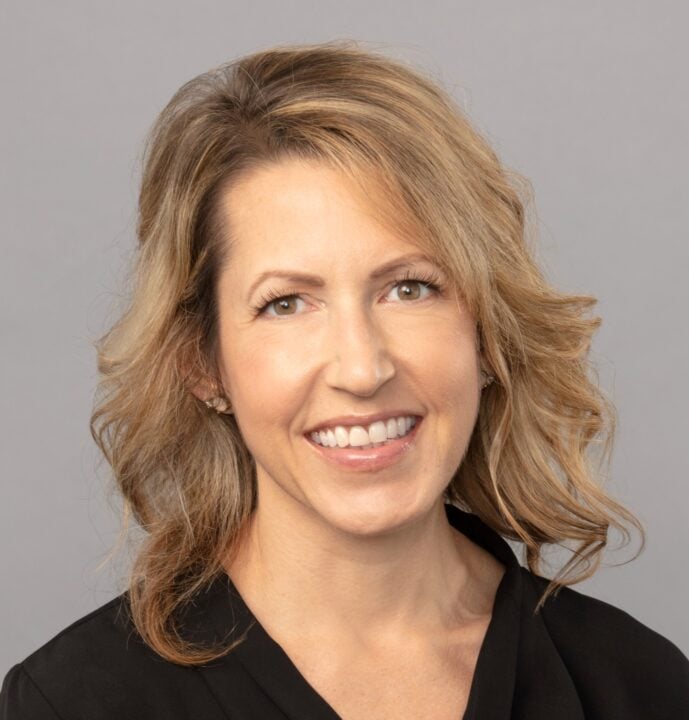
- Melanie Brady, Vice President of Children and Family Services, Gulf Coast Jewish Family & Community Services
Check out the next NETTalks:
Resilience-Focused Leadership: Building Thriving Teams in Jewish Human Service Organizations
October 6th, 1:00-2:15pm ET
This session is proudly underwritten by CaseWorthy. Their support helps make this learning opportunity possible for professionals across The Network.
In today’s complex landscape of Jewish human service work, leaders face unprecedented challenges managing teams exposed to trauma, crisis, and ongoing community stress. From supporting individuals affected by antisemitism and global conflicts to addressing everyday human suffering, organizational leaders must cultivate resilience—not as a reactive measure, but as a proactive, preventive framework embedded in daily operations. This interactive workshop introduces NATAL’s resilience model, developed through decades of supporting Israeli communities through continuous trauma. Participants will move beyond crisis management to learn how resilience-focused leadership prevents burnout, reduces PTSD symptoms, and sustains high-performing teams even amid adversity.
Key challenges addressed:
• Recognizing early warning signs of burnout, vicarious trauma, and PTSD in team members before they escalate
• Managing employees who witness and absorb human pain daily without compromising their wellbeing or organizational effectiveness
• Maintaining team stability and performance during community crises and ongoing stressors
• Creating sustainable self-care cultures rather than one-time wellness initiatives
Practical tools and strategies participants will gain:
• Concrete daily practices for leaders and their teams
• Red flag identification protocols for recognizing when employees need intervention
• Conversation frameworks for addressing mental health concerns with sensitivity and effectiveness
• Implementation blueprints for embedding resilience routines, rituals, and organizational practices
• Differentiation strategies for various trauma types affecting Jewish service organizations: vicarious trauma, secondary trauma, shared community trauma, and continuous stress exposure
Whether leading a small team or an enterprise organization, participants will discover that resilience-focused leadership is not an add-on to existing responsibilities—it’s a transformative approach that strengthens organizational culture, improves retention, and ensures leaders can sustain their mission for the long term.
Presented by:
- Hila Shvoron, MSW, MBA, Senior Facilitator, NATAL: Israel Trauma & Resiliency Center

- Sharon Yeheskel-Oron, Director, NATAL Global, NATAL: Israel Trauma & Resiliency Center

Tensions and Alignment: The relationship between funders and service providers
October 22nd, 1:00-2:00pm ET
Hosted by the Development Professionals NETGroup
Any service providing agency seeks out funders to support their work and for most of us in the Jewish social service world, we partner with funders from within the Jewish community as well as outside the Jewish community like government funding and corporate foundations. These relationships always have enough alignment to lead to funding – but there is inevitably tension in the relationship too. In this session, JIAS Toronto and two of our funders will speak candidly about some of these tensions:
– Storytelling: who has the right to tell the stories of our clients and work? Everyone is telling the stories of clients and services – the agencies, the funders, community partners, and everyone we interact with. Who has the right to tell the story? What story is appropriate to tell?
– Red Lines: what do we do if funders have particular positions or guidelines that are not perfectly aligned with the funded agency? Every funder has been faced with an agency they want to fund for a particular project; however, there is a value misalignment that may upset board members or conflict with the funder’s guidelines. What happens in these situations for both parties? And as we grow and change as organizations, our narratives change, both grantees and funders. How do we check (and do we?) if we still have enough in common and there is no misalignment on the fundamentals.
– Reporting: what can a funder ask for, what do they have a right to know? It’s not unheard of for an agency to get a new request from a funder for data or stories partway through a granting period. Do you always need to say yes?
– Service Delivery Preferences: funders sometimes want to influence how a program or service is delivered and by whom.
When a funder has a strong opinion about how the services should be delivered or which staff or partners should or should not be involved, what does a grantee do to maintain funding and also maintain control of their work? The session will address these common tensions, give examples of how both sides of the funding relationship address these issues, and leave space for discussion on how we can address these tensions as a sector.
Presented by:
- Naomi Kramer. Senior Manager, Development, JIAS Toronto

- Joshua Otis, Senior Director, Social Services and Community, UJA Federation of Greater Toronto

- Stacey Helpert, President, Stacey Helpert – Strategic Philanthropy